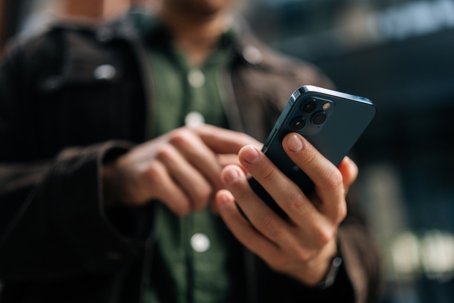
If you're facing criminal charges or even under investigation in Virginia, what you share online could have serious consequences. A photo, comment, or message might be taken out of context and used against you in court. Police and prosecutors actively monitor social media accounts during criminal investigations — and many people don't realize how much of their online activity can be accessed or misinterpreted.
If you've been accused of a crime, get legal guidance before you post another word online. Call (703) 215-9337 or contact Dischley Law, PLLC today for confidential help protecting your rights and reputation.
How Police Use Social Media in Criminal Investigations
In today's world, nearly everyone leaves a digital footprint. Virginia law enforcement often uses social media to collect evidence, build timelines, and connect people to certain places or activities.
Here's how investigators may use your online content:
- Public posts: Anything shared publicly on platforms like Facebook, Instagram, or X (Twitter) can be accessed without a warrant.
- Private messages: Police may obtain search warrants or subpoenas to access direct messages on apps like Messenger, Snapchat, or WhatsApp.
- Tagged photos: Even if you don't post something yourself, being tagged in someone else's photo or video can still raise suspicion.
- Location data: Many apps record location metadata showing where and when a post or photo was created.
Social media evidence is now routinely used in Virginia criminal cases — from DUI and assault charges to theft, drug, or firearm offenses.
What Types of Posts Can Be Used Against You
You might think your posts are harmless or private, but once they're online, they can easily be misunderstood or misused.
Examples of posts that can create problems include:
- Photos with alcohol or drugs, even if unrelated to the alleged crime
- Messages that sound angry or threatening, even if meant as a joke
- Videos showing money, weapons, or group activities, which prosecutors might link to illegal conduct
- Comments or reactions on others' posts that appear to admit guilt or involvement
Even deleted posts can sometimes be recovered through screenshots, backups, or subpoenas sent to the platform.
Why "Privacy Settings" Don't Always Protect You
Many people assume that setting their account to private means they're safe. Unfortunately, that's not always true.
- Friends or followers can share your content without permission.
- Investigators can use fake accounts or friend requests to view private posts.
- Courts can issue orders forcing social media companies to turn over private data.
In other words, privacy settings may slow investigators down — but they rarely stop them.
What You Should Do (and Avoid Doing) Right Now
If you or someone you love is facing a criminal charge in Virginia, handling social media carefully is critical. The wrong move online can make your defense more difficult, even if you haven't done anything wrong.
What to do:
- Pause all social media activity. Stop posting, commenting, or messaging about the case, yourself, or anyone involved.
- Ask friends and family not to tag or mention you. Well-meaning posts can still harm your defense.
- Save what you can. Take screenshots of old posts or messages in case they become essential to your defense.
- Tell your attorney everything. If investigators already have social media evidence, your lawyer needs to know right away.
What not to do:
- Don't delete posts or accounts after an arrest. It can look like you're hiding evidence.
- Don't discuss your case online, even in private groups or messages.
- Don't assume that "disappearing messages" really disappear — most can still be recovered.
When in doubt, stay offline until you've talked with your defense attorney.
How Social Media Evidence Can Impact Your Case
Social media can shape how a case is investigated, prosecuted, and even judged by the court. For example:
- Contradictions: Posts that conflict with your statement can be used to question your credibility.
- Character assumptions: Photos or jokes taken out of context can make you look irresponsible or dishonest.
- Intent and motive: Prosecutors may argue that certain posts show planning or intent to commit a crime.
This is why it's critical to have a defense attorney who understands how digital evidence works — and how to challenge it effectively. Learn more about how Dischley Law, PLLC approaches criminal defense cases in Virginia and fights to protect clients' rights in and out of court.
How a Defense Attorney Can Help
A criminal defense lawyer can take steps to protect your privacy and prevent your online activity from being unfairly used against you.
An attorney can:
- Review and analyze what evidence law enforcement has obtained
- Challenge how social media data was collected or interpreted
- Work to suppress improperly gathered evidence
- Advise you on what to do (and not do) while your case is pending
Your defense isn't just about what happens in court — it's also about what's already online.
Manassas Criminal Defense Lawyer
If you're facing criminal charges or under investigation, your social media activity could already be under review. Get professional legal advice before you delete, post, or reply to anything. The sooner you act, the better your chances of controlling how your story is told.
Call (703) 215-9337 or contact Dischley Law, PLLC today for a confidential consultation.
Our team helps Virginia residents protect their rights, privacy, and futures in the face of criminal investigations.