
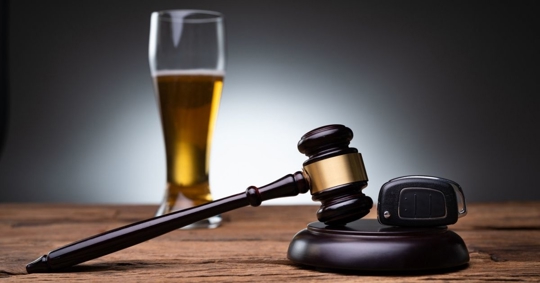
Being charged with a DUI or DWI in Virginia can be an overwhelming experience. Many individuals worry about the immediate consequences, including fines, license suspension, and potential jail time. Understanding how these charges work and what factors can be challenged is essential to protecting your rights. With careful preparation and a clear understanding of the legal process, you can take meaningful steps to address the situation effectively.
Understanding DUI and DWI Charges in Virginia
DUI (Driving Under the Influence) and DWI (Driving While Intoxicated) charges in Virginia are serious offenses with lasting consequences. These charges can result from operating a vehicle under the influence of alcohol, drugs, or both. Virginia law treats blood alcohol concentration (BAC) levels of 0.08% or higher as sufficient grounds for a DUI or DWI charge, but even lower levels can result in penalties if impairment is evident.
It is important to know that charges are not automatic convictions. The circumstances of the arrest, the procedures followed, and the evidence collected all play a role in determining the outcome. Legal representation can help review each of these factors and identify possible areas to challenge.
Key Evidence Considered in DUI and DWI Cases
Several types of evidence are commonly used in DUI and DWI cases. Understanding the strengths and weaknesses of this evidence can help determine possible defenses:
- Field Sobriety Tests: Standardized tests conducted on the roadside can be influenced by external factors such as fatigue, medical conditions, or weather.
- Breathalyzer Readings: While commonly used, breath tests can produce inaccurate results if the device is improperly maintained or administered.
- Officer Observations: Statements about driving behavior, physical appearance, or other indicators of impairment can be subjective and may be challenged.
Each piece of evidence should be carefully reviewed. Small procedural errors or inconsistencies in the testing process can have a significant impact on the case’s outcome.
Procedural Considerations for Challenging a Charge
Challenging a DUI or DWI often involves examining whether proper procedures were followed during the arrest and investigation. Even minor mistakes can affect the admissibility of evidence in court.
- Lawful Stop: The officer must have had a valid reason to stop the vehicle. If the stop was arbitrary or lacked probable cause, the evidence obtained may be questioned.
- Miranda Rights and Warnings: Individuals must be informed of their rights when taken into custody. Any failure in this process can be relevant to the defense.
- Chain of Evidence: Proper documentation and handling of blood, breath, or urine samples is essential. Gaps in this chain can create opportunities to challenge the results.
Examining these procedural factors early can be crucial in forming a defense strategy and identifying areas where evidence may be excluded.
Potential Defenses in DUI and DWI Cases
Every case is unique, and several defenses may be available depending on the circumstances. These defenses often focus on evidence reliability, legal procedures, or external influences:
- Challenging Test Accuracy: Questioning the calibration, maintenance, or administration of breath or blood tests.
- Medical Conditions or Medications: Certain health conditions or prescribed medications can affect test results or observed impairment.
- Improper Officer Conduct: Errors in observation, documentation, or arrest procedures can create grounds for contesting the charge.
A careful review of all available information allows the defense team to determine which arguments are most likely to impact the case.
Long-Term Implications and Considerations
DUI and DWI convictions carry consequences beyond immediate fines or license suspensions. They can affect employment, insurance rates, and criminal records. Planning a defense with these long-term outcomes in mind helps ensure that decisions are made strategically.
Addressing potential charges proactively and understanding the legal framework in Virginia can make a meaningful difference. Proper legal guidance helps individuals protect their rights and minimize the impact of the charges on their future.
Moving Forward With Legal Support
A DUI or DWI charge in Virginia does not have to define the rest of your life. The team at Dischley Law, PLLC has extensive experience handling these cases, reviewing evidence, and identifying opportunities to challenge charges effectively. With a focus on clear communication and a client-centered approach, we guide you through the legal process every step of the way. Schedule a consultation through our website today to discuss your case and understand how Dischley Law, PLLC can help protect your rights and navigate your options.
Contact Dischley Law, PLLC at (703) 215-9337 to take the next step toward resolving your situation.